Have you ever run your tongue over your teeth and felt a rough, sticky buildup, even after brushing? Or perhaps you’ve noticed a yellowish or brownish stain near your gumline that just won’t budge? Chances are, you’re dealing with tartar, also known as calculus. It’s a common dental nemesis, and it leads many people to wonder, “How to Remove Tartar from Teeth Naturally?”
It’s a fantastic question, and one that often leads to a lot of misinformation online. As your trusted guide in navigating the world of dental health, I’m here to lay out the facts, debunk common myths, and empower you with accurate information directly from dental professionals. We’ll explore why tartar forms, why it’s a problem, and most importantly, the safest and most effective ways to tackle it – understanding the crucial role of your dentist in this battle.
The Uninvited Guest: What Exactly is Tartar?
To truly understand how to remove tartar from teeth naturally, we first need to understand what it is and where it comes from.
Every day, your mouth is a bustling ecosystem. Bacteria, food particles, and saliva constantly mix to form a sticky, colorless film called plaque. Plaque is always forming on your teeth, especially along the gumline and between teeth. The good news is that plaque is relatively soft and can be effectively removed with proper daily brushing and flossing.
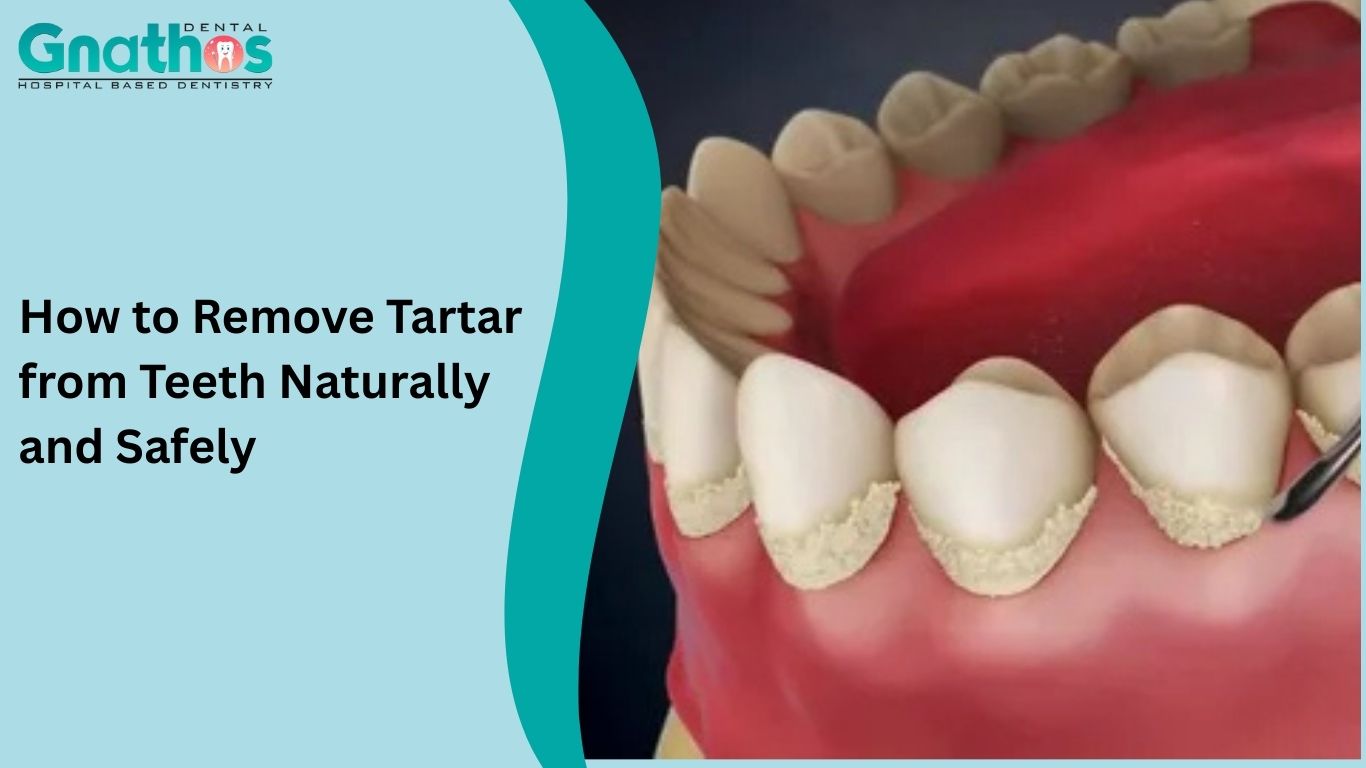
However, if plaque isn’t thoroughly removed, something less desirable happens. Within 24 to 72 hours, the minerals in your saliva (primarily calcium and phosphate) begin to combine with the plaque. This process causes the soft plaque to harden and calcify, transforming it into tartar (calculus). Once plaque has hardened into tartar, it becomes porous and develops a rough surface, acting like a magnet for even more plaque, which then calcifies, leading to a vicious cycle of buildup.
Tartar can form both above the gumline (supragingival) and below the gumline (subgingival). The latter is particularly insidious as it’s harder to see and can lead to more severe problems.
Why Tartar is Bad News for Your Smile and Health
Tartar isn’t just an aesthetic concern, making your teeth look dull or stained. It’s a significant threat to your oral and even general health. Here’s why you absolutely want to know how to remove tartar from teeth naturally:
- Gum Disease (Gingivitis and Periodontitis): This is the primary and most common consequence. Tartar acts as a rough surface where more plaque can accumulate, irritating your gums. This irritation leads to inflammation, bleeding, and redness – the early stage of gum disease known as gingivitis. If gingivitis isn’t addressed, it can progress to periodontitis, a more severe form of gum disease where the gums pull away from the teeth, forming pockets that become infected. This infection can destroy the bone and tissues supporting your teeth, eventually leading to tooth loosening and loss.
- Bad Breath (Halitosis): The porous, rough surface of tartar provides an ideal environment for bacteria to thrive. These bacteria produce foul-smelling gases, leading to persistent bad breath.
- Cavities: Tartar itself doesn’t cause cavities, but its rough surface makes it easier for plaque to stick and accumulate. The bacteria within this plaque produce acids that erode tooth enamel, leading to tooth decay and cavities.
- Staining: Tartar is porous, meaning it readily absorbs stains from foods, drinks (like coffee, tea, red wine), and tobacco, contributing to discolored teeth.
- Cosmetic Concerns: Let’s face it, visible tartar is unsightly and can significantly diminish the appeal of your smile, leading to self-consciousness.
Given these serious implications, it’s clear that addressing tartar is not just about aesthetics but about preserving your oral health and overall well-being.
The Myth of “Natural” Tartar Removal: What You Need to Know
This is where the phrase “How to Remove Tartar from Teeth Naturally” becomes a minefield of misinformation. A quick search online will flood you with countless DIY remedies, often touting the power of household items. Let’s be unequivocally clear on this point:
Once plaque has hardened into tartar, it CANNOT be removed safely and effectively at home by natural or DIY methods.
I repeat: Tartar is calcified (hardened) plaque. It is firmly bonded to your tooth enamel. No amount of vigorous brushing, flossing, or swishing with homemade concoctions will dissolve or scrape it off without potentially damaging your teeth or gums.
Here’s why many popular “natural” remedies are ineffective or, worse, dangerous:
- Baking Soda & Lemon Juice/Vinegar: While baking soda (sodium bicarbonate) is an abrasive that can help remove surface stains, and acids like lemon juice or vinegar are sometimes suggested, combining them is problematic. The acids are highly corrosive to tooth enamel. Repeated application will erode your enamel, making your teeth more sensitive, prone to cavities, and ultimately weaker. Once enamel is lost, it cannot be regenerated.
- Oil Pulling (Coconut Oil): Oil pulling involves swishing oil in your mouth for an extended period. While some studies suggest it might have some benefit in reducing certain bacteria or plaque, there is no scientific evidence whatsoever that it can remove existing hardened tartar. It’s not harmful, but it’s not a solution for calculus.
- Aloe Vera: Aloe vera has anti-inflammatory properties and can be soothing for gums, but it possesses no abrasive or chemical properties to dissolve or scrape away hardened tartar.
- Orange Peels/Tomato: These are often suggested due to their acidic content, but again, acids are detrimental to enamel. Rubbing them on your teeth is counterproductive and dangerous in the long run.
- “Tartar Scrapers” or Dental Picks (Self-Use): This is perhaps the most dangerous DIY method. Dental professionals use specialized, sterilized instruments and extensive training to scale teeth without damaging enamel or gums. Attempting to scrape tartar off your own teeth at home can lead to:
- Gum damage: Cutting or tearing your gums, leading to bleeding, infection, and gum recession.
- Enamel damage: Scratching or gouging your tooth surface, creating rough spots that attract more plaque and make teeth prone to decay.
- Incomplete removal: You won’t be able to remove all the tartar, especially below the gumline, leaving behind dangerous pockets of bacteria.
- Infection: Introducing bacteria into your bloodstream through damaged gums.
The internet is rife with advice on how to remove tartar from teeth naturally, but when it comes to hardened calculus, most of it ranges from ineffective to downright harmful. Please, for the sake of your oral health, do not attempt these methods.
The Safest and Only Way: Professional Tartar Removal (Scaling and Polishing)
So, if “natural” methods are out, how to remove tartar from teeth safely and permanently? The answer is clear and unequivocal: professional dental cleaning, also known as scaling and polishing.
This procedure is performed by a qualified dentist or dental hygienist and is the cornerstone of preventive dental care. Here’s what it involves:
- Assessment: Your dentist or hygienist will first examine your mouth to identify areas of plaque and tartar buildup, as well as any signs of gum disease.
- Scaling: This is the core of tartar removal. Specialized instruments are used:
- Manual Scalers (Curettes and Sickles): These are thin, hooked instruments designed to carefully scrape tartar from the tooth surface, both above and below the gumline. They require a skilled hand to avoid damaging the tooth or gum.
- Ultrasonic Scalers: These instruments use high-frequency vibrations and a fine mist of water to break down tartar and flush it away. They are highly effective and often used for larger deposits.
- Root Planing (if necessary): If tartar has accumulated significantly below the gumline and caused gum pockets, a deeper cleaning called root planing might be performed. This smooths the root surfaces, making it harder for plaque to reattach and helping the gums reattach to the tooth.
- Polishing: After scaling, the teeth are polished using a special rotating brush or rubber cup with a gritty paste. This removes any remaining surface stains and smooths the tooth surface, making it harder for plaque to adhere in the future.
- Fluoride Application (optional but recommended): A fluoride gel or varnish may be applied to strengthen tooth enamel and make it more resistant to decay.
Is it painful? Professional cleaning is generally not painful. You might feel some pressure, vibrations, or a scraping sensation. If you have sensitive teeth or significant tartar buildup, your dentist might use a local anesthetic to numb the area, ensuring your comfort. The relief from clean teeth often outweighs any minor discomfort.
How often do you need it? Most dentists recommend professional cleanings every six months. However, if you have a history of significant tartar buildup, gum disease, or certain medical conditions, your dentist might recommend more frequent visits.
This professional cleaning is the only safe, effective, and permanent way to remove hardened tartar from your teeth. It also allows your dental professional to monitor your oral health, identify any emerging issues like cavities or gum disease early, and provide personalized advice.
Preventing Tartar Buildup: Your Daily Defense Strategy
While professional cleaning is essential for existing tartar, the best strategy is prevention. By diligently following these steps, you can significantly reduce plaque formation and stop it from hardening into tartar, making your professional cleanings easier and less frequent. This is the true answer to how to remove tartar from teeth naturally (in its soft plaque form) on a daily basis:
- Brush Twice Daily (Correctly!):
- Use a soft-bristled toothbrush.
- Brush for at least two minutes, covering all surfaces of your teeth.
- Use a fluoride toothpaste. Fluoride strengthens enamel and helps prevent decay.
- Angle the brush at 45 degrees towards the gumline and use gentle, circular strokes. Don’t scrub aggressively, as this can wear away enamel and irritate gums.
- Consider an electric toothbrush. Many studies show they are more effective at removing plaque than manual brushes.
- Floss Daily: This is non-negotiable! Brushing alone cannot reach between your teeth or effectively clean below the gumline, where plaque and tartar love to hide.
- Use about 18 inches of floss, wrapping most of it around your middle fingers.
- Gently slide the floss between teeth, curving it into a C-shape against each tooth.
- Move the floss up and down, scraping the side of each tooth.
- Don’t snap the floss; guide it gently.
- Use an Antiseptic Mouthwash (Optional, but helpful):
- An antiseptic mouthwash (e.g., those containing chlorhexidine or essential oils) can help kill bacteria that contribute to plaque.
- Look for a mouthwash specifically designed to control plaque and gingivitis.
- Mouthwash is an adjunct to, not a replacement for, brushing and flossing.
- Limit Sugary and Starchy Foods: Bacteria in your mouth thrive on sugars and starches, producing acids that form plaque. Reducing your intake of these foods, especially between meals, can significantly reduce plaque formation.
- Drink Plenty of Water: Water helps rinse away food particles and acids, and it keeps your mouth hydrated, which is important for saliva production (saliva helps neutralize acids and remineralize teeth).
- Avoid Tobacco Products: Smoking and chewing tobacco are major risk factors for gum disease and significantly increase tartar buildup.
By making these habits a consistent part of your routine, you are actively performing how to remove tartar from teeth naturally every single day, by preventing its formation in the first place.
Finding a Dental Clinic in Hyderabad for Tartar Removal
If you’re in the vibrant city of Hyderabad and looking for effective solutions for tartar buildup, finding a reputable dental clinic in Hyderabad is paramount. You need a practice that prioritizes patient education, uses advanced equipment, and has experienced dental professionals who can safely and thoroughly remove calculus.
A good dental clinic in Hyderabad will not only perform the necessary scaling and polishing but also take the time to educate you on personalized oral hygiene techniques. They understand that preventing tartar is just as important as removing it. They’ll assess your risk factors, provide tailored advice, and empower you to maintain excellent oral health between visits.
The Expert’s Voice: Dr. Suresh PL on Tartar
When it comes to maintaining a healthy, tartar-free smile, understanding the real science behind it is key. Dr. Suresh PL, a highly respected dental professional, frequently educates his patients on the limitations of at-home remedies for hardened calculus.
“Patients often ask me how to remove tartar from teeth naturally,” says Dr. Suresh PL. “And while I commend their desire to take care of their oral health, it’s crucial to understand that once plaque has calcified into tartar, it requires professional intervention. No amount of home scrubbing or swishing will safely or effectively remove it.”
Dr. Suresh PL emphasizes the importance of a skilled hand and specialized tools. “Our professional scaling and polishing procedures are designed to meticulously remove all tartar, both above and below the gumline, without damaging your enamel or gums. This is truly the safest and most effective method. Coupled with diligent daily oral hygiene, it’s the formula for a healthy, beautiful smile.”
So, if you’re concerned about tartar and want the best, safest, and most permanent solution, seek professional help. Under the care of professionals like Dr. Suresh PL, you can rest assured that your smile is in expert hands.
In Conclusion: Prioritize Professional Care
The pursuit of how to remove tartar from teeth naturally is a journey that ultimately leads to the dental clinic. While meticulous daily brushing and flossing are your best natural defense against plaque becoming tartar, once it has hardened, it requires the expertise and specialized tools of a dental professional.
Don’t fall for tempting but dangerous DIY remedies that promise shortcuts but deliver only damage. Invest in your oral health with regular professional cleanings. They are an essential part of preventing gum disease, cavities, and maintaining a bright, healthy smile for life.