The mere mention of a root canal treatment often sends a shiver down a patient’s spine. For decades, this procedure has been unfairly labeled as the “boogeyman” of dentistry. However, the reality is quite the opposite. Modern root canal treatment is a sophisticated, routine procedure designed specifically to eliminate pain and save a tooth that would otherwise need to be extracted. At Gnathos Dental, we believe that understanding the process is the first step toward a stress-free experience. If you are struggling with persistent toothaches or sensitivity, this guide will walk you through everything you need to know about the procedure, costs, and recovery.
What is a Root Canal Treatment?
A root canal treatment (also known as endodontic therapy) is a dental procedure used to treat infection at the center of a tooth. Beneath the white enamel and the hard layer called dentin, there is a soft tissue known as the pulp. This pulp contains blood vessels, nerves, and connective tissue, which help grow the root of your tooth during its development.
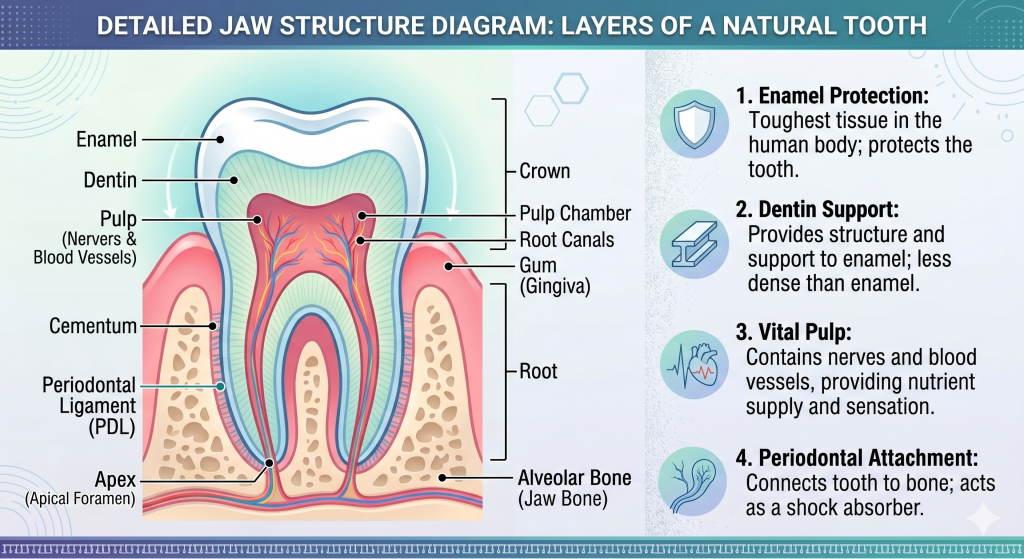
When the pulp becomes inflamed or infected due to deep decay, repeated dental procedures, or a crack in the tooth, it must be removed. During a root canal, the damaged pulp is cleared out, the inside of the tooth is cleaned and disinfected, and then filled and sealed. By doing this, your dentist preserves your natural tooth, maintaining your natural smile and biting force.
Common Causes for Needing Endodontic Therapy
Understanding why a tooth requires a root canal treatment can help in early detection. The pulp doesn’t die or become infected without a reason. Some of the most common triggers include:
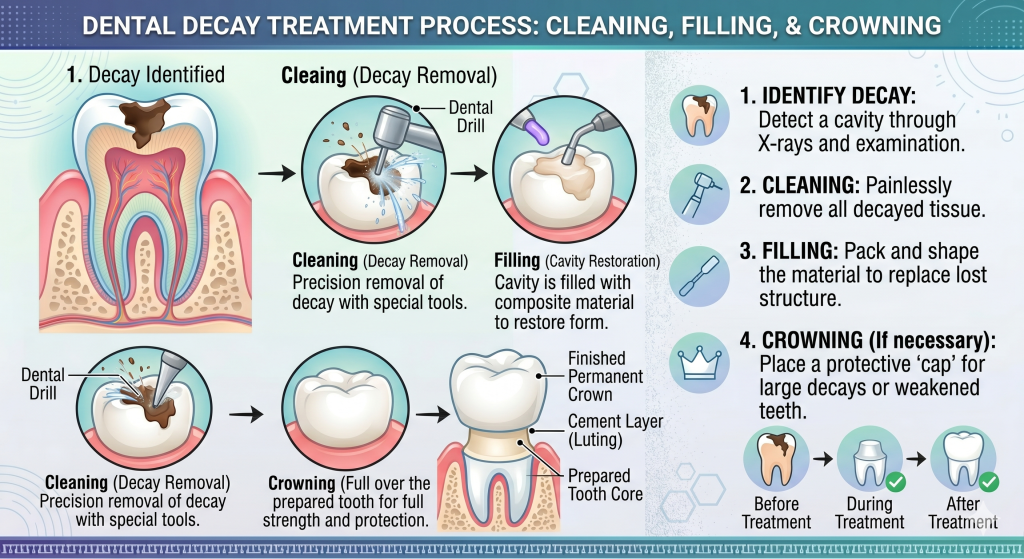
- Deep Decay: Untreated cavities allow bacteria to eat through the enamel and dentin until they reach the sensitive pulp.
- Dental Trauma: A sudden blow to the face can damage the pulp even if there are no visible chips or cracks in the tooth.
- Cracked or Chipped Teeth: Even a minor fracture can provide a gateway for bacteria to enter the tooth’s core.
- Faulty Crowns: Sometimes, an older dental crown may leak or fail, allowing new decay to form underneath.
- Repeated Dental Work: Multiple procedures on the same tooth can stress the pulp, eventually leading to inflammation.
Symptoms: How Do You Know if You Need a Root Canal?
While only a professional consultation with a specialist can confirm the need for treatment, there are several warning signs to watch for:
- Persistent Pain: Deep pain that radiates into your jaw, bone, or other teeth.
- Sensitivity to Heat and Cold: A sharp or dull ache that lingers long after you’ve finished a hot coffee or cold drink.
- Swollen Gums: Tenderness or a “pimple” on the gums (an abscess) near the painful tooth.
- Tooth Discoloration: An internal infection can cause the tooth to look grayish or dark.
- Pain When Eating: Discomfort when applying pressure to the tooth while chewing.
The Root Canal Treatment Procedure Step-by-Step
Many patients fear the unknown, but the root canal treatment is a highly predictable process. Here is what you can expect during your visit to the clinic:
1. Diagnosis and Preparation
The dentist will first take an X-ray to see the shape of the root canals and determine if there are any signs of infection in the surrounding bone. Local anesthesia is then administered to numb the area. Contrary to popular belief, the procedure is no more uncomfortable than getting a standard filling.
2. Accessing the Pulp
A small access hole is made in the top (crown) of the tooth. Using specialized tools, the dentist removes the diseased and dead pulp tissue from the chamber and the canals.
3. Cleaning and Shaping
Once the pulp is removed, the canals are meticulously cleaned and disinfected. The dentist shapes the canals to ensure they can be effectively filled.
4. Filling the Canals
The empty canals are filled with a biocompatible material, usually a rubber-like substance called gutta-percha. This is sealed into place with adhesive cement to prevent future reinfection.
5. Final Restoration
Because a tooth that has had a root canal is more fragile than a “live” tooth, a permanent restoration is necessary. Usually, a dental crown is placed over the tooth to protect it and restore full functionality.
Comparison: Root Canal vs. Tooth Extraction
Patients often ask if it is easier to just pull the tooth. Here is a comparison of the two options:
| Feature | Root Canal Treatment | Tooth Extraction |
|---|---|---|
| Goal | Save the natural tooth | Remove the tooth entirely |
| Functionality | Maintains natural bite and alignment | Requires implants/bridges to restore function |
| Timeline | Usually 1-2 appointments | Extraction is quick, but replacement takes months |
| Long-term Cost | Higher upfront, lower long-term | Lower upfront, higher to replace the gap |
| Bone Health | Preserves jawbone structure | Can lead to bone loss over time |
Cost of Root Canal Treatment in India
The cost of a root canal treatment can vary based on several factors:
- Position of the Tooth: Front teeth are generally cheaper to treat as they have fewer canals than molars.
- Severity of Infection: A complex infection or a “re-treatment” (fixing a previous root canal) may cost more.
- Choice of Specialist: Seeing an Endodontist (a specialist in root canals) ensures higher precision.
- The Crown Material: The type of crown (Ceramic, Zirconia, or PFM) you choose for the final restoration will impact the total price. At Gnathos Dental, we provide transparent pricing and customized treatment plans to suit your budget and dental needs.
Recovery and Aftercare Tips
The recovery period for a root canal treatment is typically very short. Most patients return to their normal activities the following day.
- Manage Discomfort: Over-the-counter pain relievers are usually sufficient to manage any mild soreness.
- Avoid Hard Foods: Until your permanent crown is placed, avoid chewing on the treated tooth to prevent fractures.
- Maintain Oral Hygiene: Continue to brush and floss normally. Keeping the area clean is vital for healing.
- Follow-up: Ensure you attend your follow-up appointment to place the permanent crown and complete the restoration.
Risks and Side Effects
While complications are rare, it is important to be aware of potential risks:
- Reinfection: If a canal was missed or the sealing material breaks down, bacteria can re-enter.
- Fractures: As mentioned, the tooth becomes more brittle; this is why a crown is highly recommended.
- Temporary Sensitivity: Some tenderness in the gums is normal for a few days post-procedure.
When to See a Doctor
You should contact your dentist immediately if you experience:
- Severe pain that lasts more than a few days.
- Visible swelling inside or outside the mouth.
- An allergic reaction to medication (rash or itching).
- The temporary filling or crown comes out.
Conclusion
A root canal treatment is not something to fear—it is a pain-relieving solution that allows you to keep your natural smile for a lifetime. By removing the infection and reinforcing the tooth, you avoid the complications associated with tooth loss and bone resorption. If you are experiencing dental pain, don’t wait for it to get worse. Early intervention is the key to a simpler and more affordable procedure. Ready to restore your oral health? Book an appointment today with our expert team to discuss your options and get back to living pain-free.
FAQ Section
Q1: Is a root canal treatment painful?
No, with modern anesthesia and techniques, the procedure is relatively painless. Most patients report that it feels similar to getting a deep filling. The goal of the treatment is actually to remove the pain caused by the infection.
Q2: How long does the procedure take?
A typical root canal takes between 30 to 90 minutes. Depending on the complexity of the tooth (number of canals) and the level of infection, it may be completed in one visit or require a second appointment.
Q3: Can I go back to work after a root canal?
Yes, most people can return to work or school immediately. However, your mouth will be numb for a few hours, so it is best to wait until the numbness wears off before eating.
Q4: How long does a root canal-treated tooth last?
With proper oral hygiene and a high-quality crown, a tooth treated with a root canal can last a lifetime. Regular checkups and professional cleanings are essential to maintain its health.
Q5: What happens if I don’t get a root canal?
If an infected tooth is left untreated, the infection can spread to the jawbone and other parts of the body. Eventually, the tooth will die and fall out or require an emergency extraction, which is often more costly and painful.
Q6: Are there any alternatives to a root canal?
The only alternative to a root canal is a tooth extraction followed by a dental implant or bridge. Saving your natural tooth is always the preferred option for better long-term oral health and function.