Choosing to restore your smile is a life-changing decision, but it often comes with a lingering question: Are dental implants safe? For many patients dealing with tooth loss, the prospect of oral surgery can feel daunting. However, dental implants have become the gold standard for tooth replacement, boasting a success rate of over 95%. Whether you are missing a single tooth or require a full-mouth restoration, understanding the safety profile, biological compatibility, and long-term advantages of this procedure is essential. At Gnathos Dental, we prioritize patient education to ensure you feel confident before stepping into the clinic.
Understanding Dental Implants: What Are They?
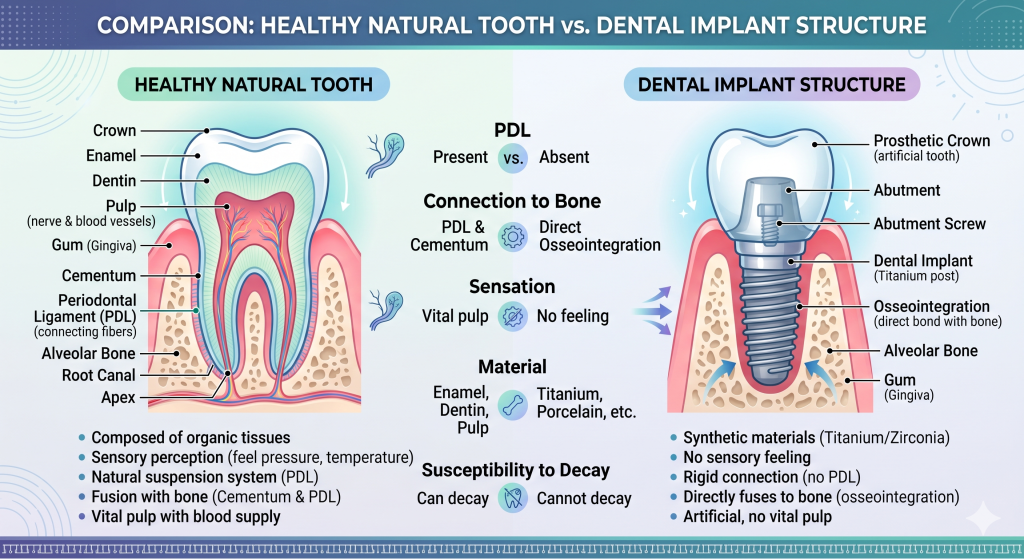
A dental implant is essentially a sophisticated artificial tooth root. Unlike dentures that sit on the gums or bridges that rely on adjacent teeth, an implant is a small post, typically made of biocompatible titanium, that is surgically placed into the jawbone. Over time, a process called osseointegration occurs, where the bone actually fuses with the metal post. This creates a rock-solid foundation for a custom-made crown. Because the material is “biocompatible,” the human body does not recognize it as a foreign object, which is the primary reason why dental implants are safe and highly effective for long-term use.
The Science of Safety: Are Dental Implants Safe for Everyone?
For the vast majority of healthy adults, the answer is a resounding yes. The procedure has been refined over decades of clinical research. However, safety is often a reflection of the patient’s underlying health and the expertise of the surgeon.
Biocompatibility and Materials
The use of Grade 4 or 5 titanium is standard in the industry. Titanium is the same material used in hip and knee replacements because of its unique ability to bond with bone without causing allergic reactions or toxicity. In rare cases where metal sensitivities exist, Zirconia (ceramic) implants offer an equally safe, metal-free alternative.
The Role of Bone Density
One of the most important factors in determining if dental implants are safe for a specific individual is the quality of their jawbone. If the bone has thinned due to age or long-term tooth loss, the implant may not have enough “grip.” In these cases, bone grafting is often recommended to rebuild the foundation, making the eventual implant surgery much safer and more predictable.
Benefits of Choosing Dental Implants
While safety is a priority, the benefits are what make the procedure so popular.
- Bone Loss Prevention: Implants are the only tooth replacement option that stimulates the jawbone, preventing the facial sagging often associated with tooth loss.
- Durability: With proper care, implants can last a lifetime, unlike bridges which may need replacement every 10–15 years.
- Speech and Comfort: Because they are anchored in the bone, they don’t slip or click like traditional dentures.
- Oral Health Preservation: Unlike a dental bridge, implants do not require the grinding down of healthy neighboring teeth.
Potential Risks and Side Effects
No surgical procedure is entirely without risk. While complications are rare, being informed is a key part of the process.
Short-Term Risks
- Infection: Like any surgery, the site can become infected (peri-implantitis) if post-operative care isn’t followed.
- Minor Swelling: Some bruising and discomfort are normal for 3–5 days following the procedure.
- Nerve Damage: While extremely rare with modern 3D imaging, a misplaced implant can cause tingling or numbness in the chin or lips.
Long-Term Risks
The primary long-term risk is Implant Failure, usually caused by smoking, uncontrolled diabetes, or poor oral hygiene. If the bone fails to fuse with the implant, the device may become loose and require removal.
Comparing Tooth Replacement Options
| Feature | Dental Implants | Dental Bridges | Removable Dentures |
|---|---|---|---|
| Lifespan | 25+ Years / Lifetime | 10–15 Years | 5–7 Years |
| Bone Health | Prevents Bone Loss | Does Not Prevent Bone Loss | Can Accelerate Bone Loss |
| Maintenance | Brush/Floss like natural teeth | Special cleaning tools needed | Must be removed and soaked |
| Stability | Very High (Fixed) | High (Fixed) | Low (Can slip) |
| Cost | Higher Initial Investment | Moderate | Lower Initial Investment |
The Treatment Process: What to Expect
If you are wondering about the timeline, it is important to know that dental implants are a journey, not a quick fix.
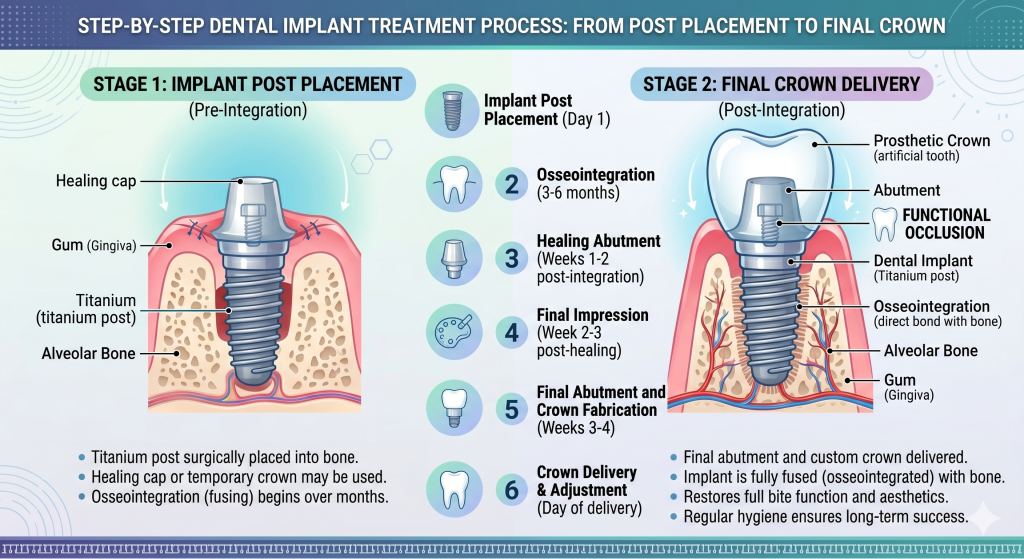
- Initial Consultation: Using digital X-rays and 3D CT scans, the dentist evaluates your bone structure.
- Implant Placement: The titanium post is placed into the jawbone under local anesthesia or sedation.
- Healing Phase: This lasts 3–6 months. This is when osseointegration happens.
- Abutment Placement: A small connector piece is attached to the post.
- Final Restoration: A custom dental crown is attached, completing your smile.
Recovery and Aftercare Tips
To ensure your dental implants are safe and successful during the healing phase, follow these guidelines:
- Soft Food Diet: Stick to smoothies, yogurt, and mashed potatoes for the first week.
- Avoid Smoking: Smoking significantly slows down healing and increases the risk of implant failure.
- Maintain Hygiene: Gently brush the area and use prescribed antimicrobial mouthwashes.
- Regular Checkups: Visit your specialist at Gnathos Dental for routine monitoring.
When to See a Doctor Post-Surgery
While minor discomfort is expected, you should contact your dentist immediately if you experience:
- Severe pain that does not respond to medication.
- Fever or chills (signs of infection).
- A feeling that the implant is moving or “wobbly.”
- Persistent numbness after the anesthesia has worn off.
Conclusion
So, are dental implants safe? The evidence overwhelmingly says yes. They are a scientifically backed, technologically advanced solution for tooth loss that offers unmatched stability and health benefits. By choosing a qualified team and following proper aftercare, you can enjoy a functional, beautiful smile for the rest of your life. Ready to restore your confidence? Book an appointment with our experts today to discuss if you are a candidate for dental implants.
Frequently Asked Questions (FAQs)
Does the dental implant procedure hurt?
Most patients report that the procedure is less painful than a tooth extraction. Local anesthesia numbs the area completely, and sedation options are available for those with dental anxiety.
How long do dental implants last?
With excellent oral hygiene and regular dental checkups, the titanium post of a dental implant can last a lifetime. The crown on top may need replacement after 10–15 years due to normal wear and tear.
Can dental implants fail?
Yes, though the failure rate is low (about 2–5%). The most common causes of failure include smoking, gum disease (peri-implantitis), and underlying medical conditions like uncontrolled diabetes that hinder healing.
Am I too old for dental implants?
Age is rarely a factor. As long as you are in good general health and have sufficient bone density to support the implant, you can undergo the procedure successfully in your 70s, 80s, or even 90s.
How do I clean my dental implants?
You should treat them just like your natural teeth. Brushing twice a day, flossing daily, and attending regular professional cleanings at Gnathos Dental will keep the surrounding gums healthy and the implant secure.
Are there any metal-free options for implants?
Yes, for patients with metal allergies or those who prefer a holistic approach, Zirconia implants are a safe, ceramic, and metal-free alternative to traditional titanium posts.