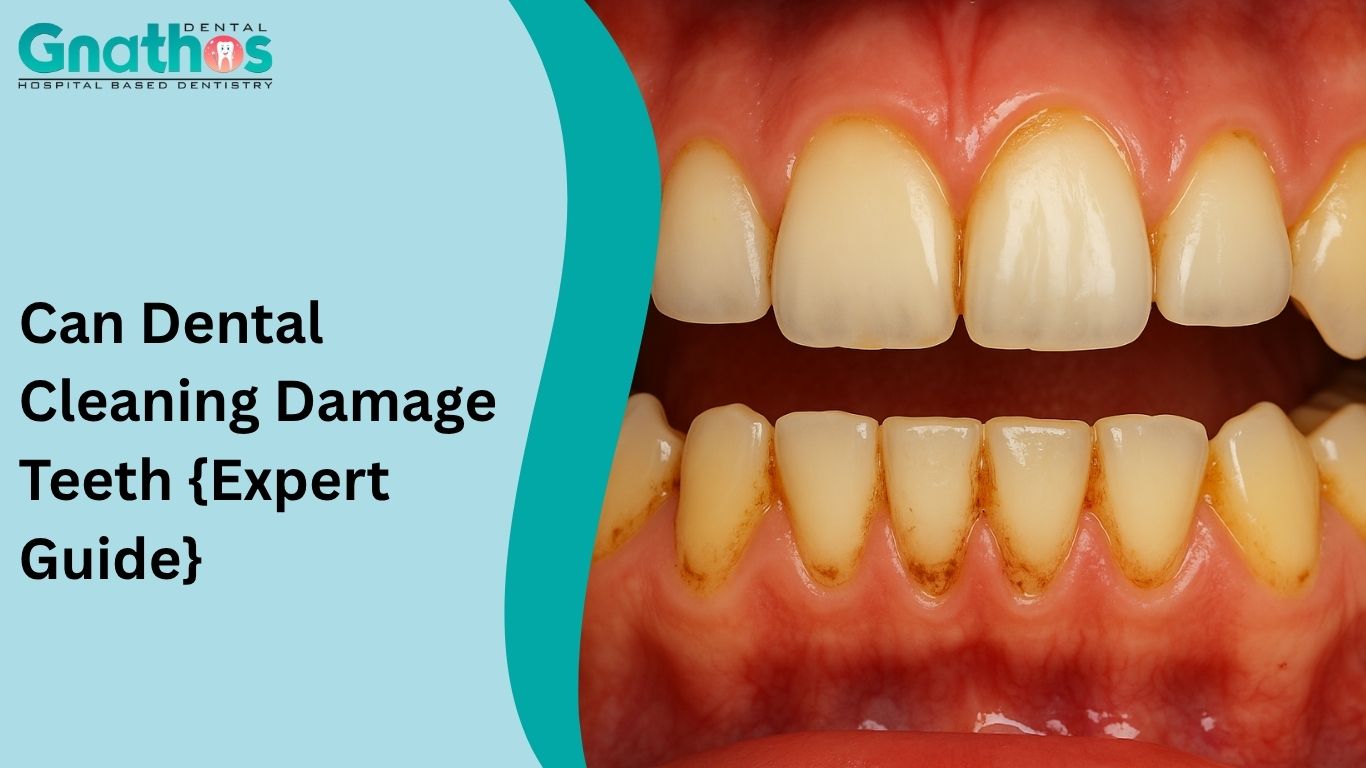
Have you ever wondered if that routine dental cleaning, the one that leaves your mouth feeling so incredibly fresh and clean, could actually be doing more harm than good? It’s a common concern, and a perfectly valid one. After all, the instruments used seem sharp, and the process can sometimes feel a bit intense. The good news is that, when performed correctly by a skilled professional, dental cleaning is one of the most beneficial things you can do for your oral health. Let’s delve into this topic to understand why the answer to “Can Dental Cleaning Damage Teeth?” is almost always a resounding no, and how it’s actually the key to preventing long-term damage.
The Foundation of a Healthy Smile: Understanding What Dental Cleaning Is
Before we can address the question, “Can Dental Cleaning Damage Teeth?”, we need to understand what a professional dental cleaning, also known as prophylaxis, truly entails. It’s not just a simple scrub; it’s a meticulously planned and executed procedure designed to remove what you can’t at home. We’re talking about plaque and tartar. Plaque is a sticky, colorless film of bacteria that constantly forms on your teeth. If not removed through regular brushing and flossing, it hardens into tartar (or calculus), a substance so tough that only a dental professional can remove it.
The process typically involves several key steps:
- Initial Examination: The dental hygienist or Dental Doctor in Hyderabad will first examine your mouth to check for any signs of gum disease, cavities, or other issues.
- Plaque and Tartar Removal: Using specialized instruments like ultrasonic scalers and manual curettes, they will carefully remove the plaque and tartar from your teeth, both above and below the gumline. This is the part that some people worry might Can Dental Cleaning Damage Teeth.
- Polishing: After scaling, a gritty toothpaste and a high-powered electric brush are used to polish the tooth surfaces. This smooths out any rough spots, making it harder for plaque to adhere to them in the future.
- Flossing: A thorough flossing is done to remove any debris left between the teeth.
- Fluoride Treatment: A fluoride gel or foam may be applied to strengthen the enamel and protect against cavities.
This comprehensive approach is why professional cleaning is so vital. While your daily routine of brushing and flossing is essential, it simply isn’t enough to remove stubborn tartar buildup.
The Truth Behind the Myth: Why Dental Cleaning Doesn’t Damage Teeth
The fear that a dental cleaning can damage teeth usually stems from a misunderstanding of the process and the tools involved. The idea of scraping something hard against your teeth can sound alarming. However, let’s break down why this is a misconception:
- Enamel’s Strength: Tooth enamel is the hardest substance in the human body. It is incredibly durable and designed to withstand the daily forces of chewing and biting. The tools used by a dental professional, while effective at removing tartar, are not hard enough to scratch or damage healthy enamel. They are specifically designed to be less hard than your enamel.
- Targeting the Buildup: The primary target of the cleaning instruments is the plaque and tartar, not your tooth structure. The ultrasonic scaler, for example, uses high-frequency vibrations to shatter the hardened tartar, literally “knocking it off” the tooth without harming the underlying enamel. The manual curettes are used with a delicate, scraping motion that is precise enough to remove the buildup but gentle enough not to cause any harm to the tooth itself.
- Proper Technique is Key: This is where the expertise of a professional, like a skilled Dental Doctor in Hyderabad, comes into play. A trained hygienist or dentist knows exactly how much pressure to apply and at what angle to use the instruments. They are experts at navigating the contours of your teeth and gums without causing damage.
Unpacking the Discomfort: Why It Might Feel Like Damage
So, if a dental cleaning doesn’t damage teeth, why do some people experience discomfort, sensitivity, or even minor bleeding? These sensations can sometimes be misinterpreted as a sign of harm, but they are usually symptoms of an existing problem, not a consequence of the cleaning itself.
- Pre-existing Gum Inflammation: If you have gingivitis (early gum disease), your gums are already inflamed and may bleed easily when touched. The cleaning process, by gently disturbing the gumline to remove tartar, can cause this bleeding. This is a sign that the cleaning is necessary, not that it is damaging. As the tartar is removed and you improve your at-home care, the inflammation will subside and the bleeding will stop.
- Exposed Root Surfaces: When tartar builds up, it can push the gums away from the teeth, exposing the root surfaces. These surfaces don’t have the protective enamel layer and are naturally more sensitive. After the tartar is removed, the exposed root might be sensitive to temperature changes. This sensitivity is temporary and often improves within a few days to a week. Using a desensitizing toothpaste can also help.
- Pressure and Sensation: The physical pressure of the instruments and the vibration of the ultrasonic scaler can feel strange or uncomfortable, especially if you have sensitive teeth. This is a normal sensation and not a sign of damage.
The Undeniable Advantages of a Professional Dental Cleaning
Now that we’ve debunked the myth, let’s look at the incredible advantages of regular dental cleanings. These benefits far outweigh any minor, temporary discomfort and are crucial for maintaining a lifetime of good oral health.
- Prevents Gum Disease: This is perhaps the most significant benefit. By removing the plaque and tartar that cause gingivitis and periodontitis, professional cleanings prevent the progression of gum disease, which can lead to tooth loss.
- Combats Bad Breath: Plaque and tartar are reservoirs for odor-causing bacteria. Removing them leaves your mouth feeling and smelling fresh.
- Maintains a Bright Smile: The polishing step removes surface stains caused by coffee, tea, and tobacco, leaving your teeth looking brighter and whiter.
- Early Detection of Problems: During the cleaning and examination, your dentist or hygienist can spot potential issues like cavities, broken fillings, or oral cancer in their early stages, making them easier and less expensive to treat.
- Saves Money in the Long Run: By preventing major dental issues, regular cleanings can save you a significant amount of money on costly treatments like fillings, root canals, and tooth extractions down the line.
The Very Rare Disadvantages (And How to Mitigate Them)
While dental cleaning is overwhelmingly beneficial, it’s important to acknowledge some minor, temporary disadvantages that some people might experience. These are not signs of damage, but rather temporary side effects.
- Temporary Sensitivity: As mentioned earlier, some people may experience temporary sensitivity to hot and cold after a cleaning, especially if they had significant tartar buildup.
- Minor Gum Soreness or Bleeding: Again, this is usually a sign of pre-existing gum inflammation that will resolve quickly after the cleaning.
- Cost and Time: While a minor disadvantage, professional cleanings do require an investment of time and money. However, this is a small price to pay for preventing much more serious and costly issues in the future.
Can Dental Cleaning Damage Teeth? The Final Verdict
So, can dental cleaning damage teeth? The unequivocal answer from dental professionals worldwide is no. When performed by a qualified and experienced Dental Doctor in Hyderabad, or any other professional, a dental cleaning is a safe, essential, and highly effective procedure for maintaining oral health. The temporary discomfort or sensitivity that some people experience is a sign that the cleaning was needed, not that it caused harm. The real danger is in avoiding dental cleanings out of fear. Skipping these appointments allows plaque to harden into tartar, leading to gum disease, cavities, and eventually, tooth loss.
By embracing regular dental check-ups and cleanings, you are not just caring for your teeth; you are investing in your overall health and well-being. It is a proactive step that protects your smile and saves you from future pain and expense. For expert care and to address any concerns you may have, consider consulting with a reputable professional like Dr. Suresh PL, who can provide a personalized and gentle approach to your dental health.
Summary:
In summary, the notion that dental cleaning can damage teeth is a myth. The reality is quite the opposite: professional cleanings are a cornerstone of preventative dentistry, crucial for removing stubborn plaque and tartar that lead to serious oral health problems. While minor, temporary discomfort, sensitivity, or bleeding can occur, these are almost always signs of pre-existing issues and not a result of damage from the cleaning itself. The tools and techniques used by a skilled professional, such as Dr. Suresh PL, are specifically designed to safely and effectively clean your teeth without harming your enamel. By prioritizing regular dental check-ups and cleanings, you are making a wise investment in your long-term oral health, preventing costly and painful issues down the road. Dr. Suresh PL and the team are dedicated to ensuring you have a healthy and beautiful smile for life.
FAQ:
Q1: Can a dental hygienist damage teeth?
A licensed dental hygienist cannot damage your teeth when cleaning is done correctly. They use safe, precise tools to remove plaque and tartar without harming enamel. Any mild discomfort felt during the process is normal and temporary, not a sign of damage.
Q2: Is dental cleaning safe for people with gum disease?
Yes. Professional dental cleaning is one of the most effective ways to manage and treat gum disease. It removes the plaque and tartar that cause inflammation and allows gums to heal naturally over time. Regular cleanings can even reverse early gum disease (gingivitis).
Q3: Why do my teeth feel sensitive after a dental cleaning?
It’s normal to experience mild sensitivity after a cleaning, especially if there was tartar buildup or gum inflammation. The sensitivity is temporary and usually subsides within a few days. Using desensitizing toothpaste can help relieve discomfort.
Q4: What are signs of unhealthy teeth?
Common signs of unhealthy teeth include persistent bad breath, tooth sensitivity, pain while chewing, bleeding gums, discoloration, and visible plaque buildup. Loose teeth or receding gums also indicate dental problems that require professional attention.
Q5: Are yellow teeth healthy?
Yes, yellow teeth can still be healthy. Natural tooth color varies, and slight yellowing often means your enamel is strong and intact. However, if the yellowing is caused by poor hygiene, smoking, or stains, it may indicate buildup or discoloration that needs professional cleaning.