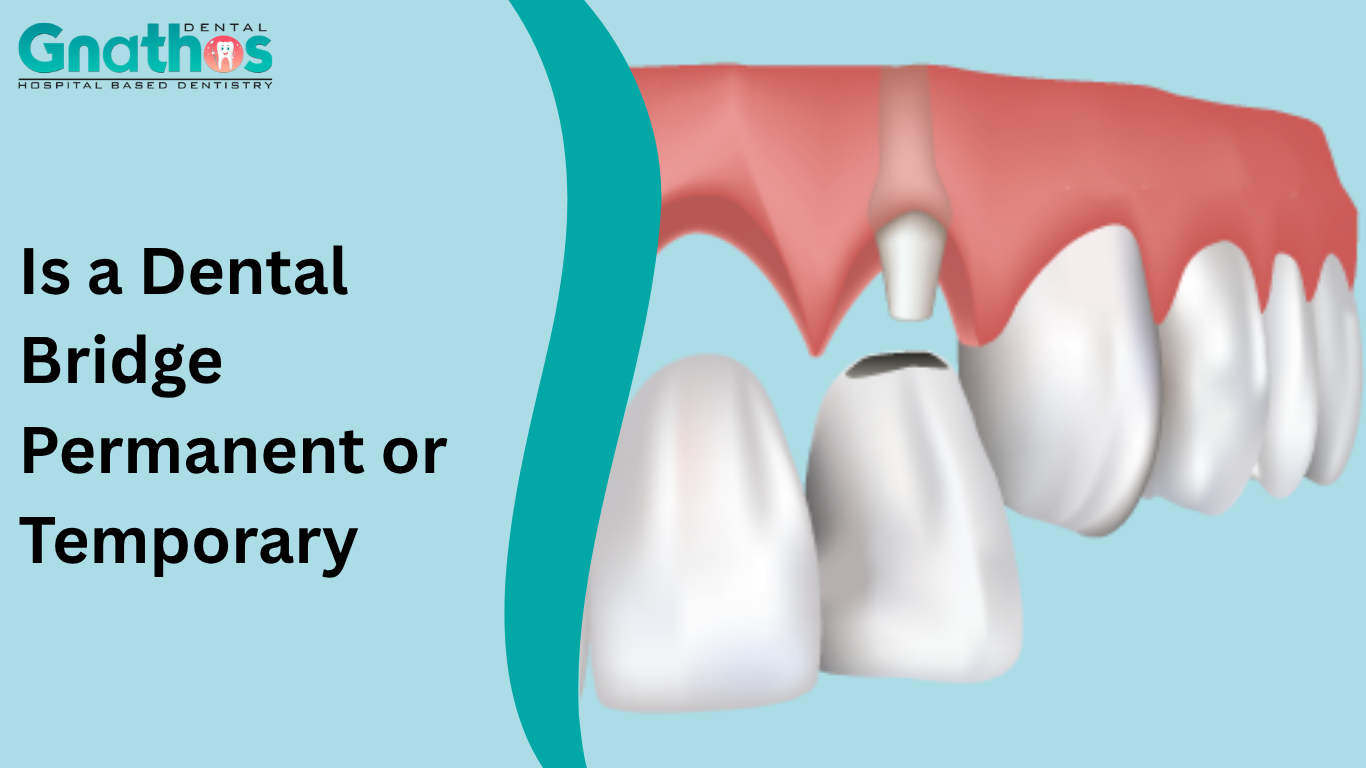
If you’ve lost a tooth, you know the frustration of having a gap in your smile. Dental bridges are one of the most common and reliable solutions for bridging that space, offering a fixed way to restore function and aesthetics. However, a question often comes up: Is a Dental Bridge Permanent or Temporary?
The quick answer is that a dental bridge is a fixed, long-term restoration, but it is not permanent. It’s designed to last for many years—often over a decade—but it will eventually need to be replaced. This distinction is crucial when comparing it to truly permanent solutions like a dental implant.
To give you the most comprehensive information, since you mentioned both dental bridges and the timeframe for a root canal, we’ll dive deep into the world of fixed restorations, comparing bridges with their alternatives and clarifying why bridges have a finite lifespan. We’ll also touch upon the time commitment involved in various dental procedures to give you a full picture of what to expect.
The Anatomy of a Fixed Bridge
To understand why a bridge is fixed but not permanent, let’s first look at its structure. A traditional dental bridge consists of three main parts:
- The Pontic: This is the artificial tooth (or teeth) that “bridges” the gap where the missing tooth was. It rests on the gum line.
- The Abutments (Retainers): These are the crowns that are cemented onto the healthy, adjacent teeth on either side of the gap. These two teeth must be prepared (filed down) to support the crowns.
- The Connection: The pontic and the abutment crowns are fused together into one strong, fixed unit.
Because the bridge is cemented onto the abutment teeth, it cannot be removed by the patient—this is why it is called a fixed restoration.
Bridge Longevity: Fixed vs. Permanent
The reason a dental bridge is not considered permanent is primarily due to the vulnerability of the abutment teeth and the materials used.
1. Abutment Tooth Vulnerability
The most common reason for bridge failure is decay or structural damage to the healthy teeth supporting it.
- Decay (Cavities): The crown margins (where the crown meets the natural tooth) are highly susceptible to decay. If bacteria seep under the crown, the abutment tooth can develop a cavity. If this decay progresses too far, the tooth can no longer support the bridge, leading to total bridge failure.
- Root Canal Issues: Since the abutment teeth must be significantly prepared (shaved down), this process can sometimes irritate the pulp, leading to the need for a root canal.
2. Material Wear and Tear
Like any dental restoration, the materials in the bridge (porcelain, metal, or a combination) are subject to daily stress from chewing, grinding, and temperature changes.
- Chipping: The porcelain on the pontic or abutment crowns can chip or fracture, especially with hard foods or teeth grinding.
- Wear: Over time, the material can simply wear down, affecting the bite (occlusion) and necessitating replacement.
Generally, a well-maintained dental bridge lasts between 10 and 15 years. While this is a long time, it requires eventual replacement, hence the distinction: fixed, but not permanent.
Types of Bridges and Their Differences
While the traditional fixed bridge is most common, there are other Types of Dental Bridges that offer different advantages and lifespans:
| Bridge Type | Description | Best Used When… | Longevity |
| Traditional Fixed Bridge | Relies on two healthy teeth (abutments) on either side of the gap. | There are natural teeth on both sides of the gap. | 10–15+ years |
| Cantilever Bridge | Only uses one healthy tooth as an abutment. | There is only one adjacent tooth, but it is very strong. | Less durable; generally 5–10 years |
| Maryland Bridge (Resin-Bonded) | Uses metal or porcelain “wings” bonded to the inside surfaces of the adjacent teeth. | The gap is small, and adjacent teeth are healthy (minimal preparation needed). | Shorter; 7–10 years, can debond easily. |
| Implant-Supported Bridge | Supported by dental implants, not natural teeth. | Multiple teeth are missing in a row; the gold standard for fixed replacement. | Highly durable; often 15–20+ years (Implant posts are permanent). |
Comparing Bridges to Alternatives: The Permanent Solution
The question of permanence often arises when patients compare a bridge to a dental implant, which is considered the truly permanent tooth replacement solution.
1. Dental Implants: The Permanent Solution
- Mechanism: An implant replaces the tooth’s root with a titanium screw placed directly into the jawbone. The crown is attached to this screw.
- Permanence: The implant post (the screw) integrates with the jawbone in a process called osseointegration and is considered a permanent fixture that can last a lifetime. The crown attached to it may still need replacement after 10–20 years due to wear, but the foundation remains.
- Key Advantage: It preserves the jawbone (preventing bone atrophy) and does not require drilling down healthy adjacent teeth.
2. Removable Partial Dentures (RPDs): The Temporary Solution
- Mechanism: An RPD consists of replacement teeth attached to a pink acrylic base and held in the mouth by metal clasps that hook onto natural teeth.
- Permanence: This is a temporary or short-term solution. It must be taken out daily for cleaning, lacks the stability of a fixed bridge or implant, and does not stimulate the jawbone.
The Importance of the Consultation at a Crown Dental Clinic Hyderabad
Deciding between a fixed bridge, an implant, or another option requires expert consultation. When you visit a specialized Crown Dental Clinic Hyderabad, the dental professional will perform a thorough assessment, focusing on the health of your remaining teeth, your bone density, and your overall oral hygiene habits.
Choosing a fixed bridge is a matter of calculating risk versus reward. While it’s fixed, the risk of failure increases if the abutment teeth are already weak or if you have poor hygiene. This is why the expertise of a professional, like Dr. Suresh PL, is invaluable in guiding your decision.
Time and Investment: How Long Does a Root Canal Take (and Other Procedures)
Your keywords highlighted the question, How Long Does a Root Canal Take. While the bridge procedure is different from a root canal, understanding the time commitment for various treatments helps in planning your oral health journey:
| Procedure | Typical Time Commitment | Details |
| Root Canal Treatment (RCT) | 1 to 2 Appointments (30–90 minutes each) | The initial procedure to clean the infected tooth pulp. The most common RCT procedure is completed in 90 minutes or less. |
| Traditional Bridge | 2 Appointments (1–2 weeks apart) | First visit for tooth preparation and impressions; Second visit for final cementation. |
| Single Dental Implant | 3 to 4 Appointments (Over 4–9 months) | Placement surgery, healing (osseointegration), abutment placement, and final crown placement. |
The time required for an RCT directly impacts a bridge only if an abutment tooth needs one before the bridge can be placed. Knowing How Long Does a Root Canal Take helps you plan the total treatment duration.
Summary
In final clarity, Is a Dental Bridge Permanent or Temporary? A dental bridge is a fixed restoration that provides long-term function and aesthetic appeal for typically 10 to 15 years, but it is not permanent and will require replacement. This finite lifespan is due to the stress placed on the supporting abutment teeth and the eventual wear of the material. Whether you need a simple procedure like knowing How Long Does a Root Canal Take or a complex restoration like a bridge, making an informed choice is key to a lasting smile.
For expert assessment and treatment that balances longevity with your budget and needs, consulting a specialist is crucial. We highly recommend seeking advice from a trusted professional like Dr. Suresh PL at a reputable Crown Dental Clinic Hyderabad. For more details on fixed and permanent restorations, visit the clinic. Dr. Suresh PL is committed to providing you with the most durable and appropriate solution for your missing teeth.
How long can I expect a dental bridge to last?
A traditional fixed bridge typically lasts between 10 and 15 years with excellent oral hygiene and regular professional check-ups. Bridges supported by implants often last much longer.
Can a dental bridge fall out?
It can. While modern dental cements are very strong, the bridge can detach if the abutment tooth underneath decays or if the cement bond fails. If this happens, you should contact your Crown Dental Clinic Hyderabad immediately.
Is a root canal always required before getting a bridge?
No, a root canal is not always required. It is only necessary if one or both of the abutment teeth have existing nerve damage or are at high risk of nerve damage due to the aggressive filing required for crown preparation.
What happens when a bridge needs to be replaced?
The dentist will remove the old bridge. They will then assess the abutment teeth. If the abutments are healthy, a new bridge can be fabricated and cemented. If the abutment teeth have suffered extensive decay or damage, they may need to be restored, have a root canal, or possibly even be extracted, which would then require a different replacement solution like implants.
How much tooth structure is removed for a bridge?
The amount is significant. The abutment teeth must be reduced (filed down) on all sides and the chewing surface to allow the crown portion of the bridge to fit over them, typically about 1–2 millimeters of enamel and dentin all around.
Do I need a special toothbrush for a bridge?
You need special tools, mainly a floss threader or a superfloss, to thread floss under the pontic (the fake tooth) to clean the gum tissue and prevent infection and odor. Regular brushing is also necessary for the crowned teeth.