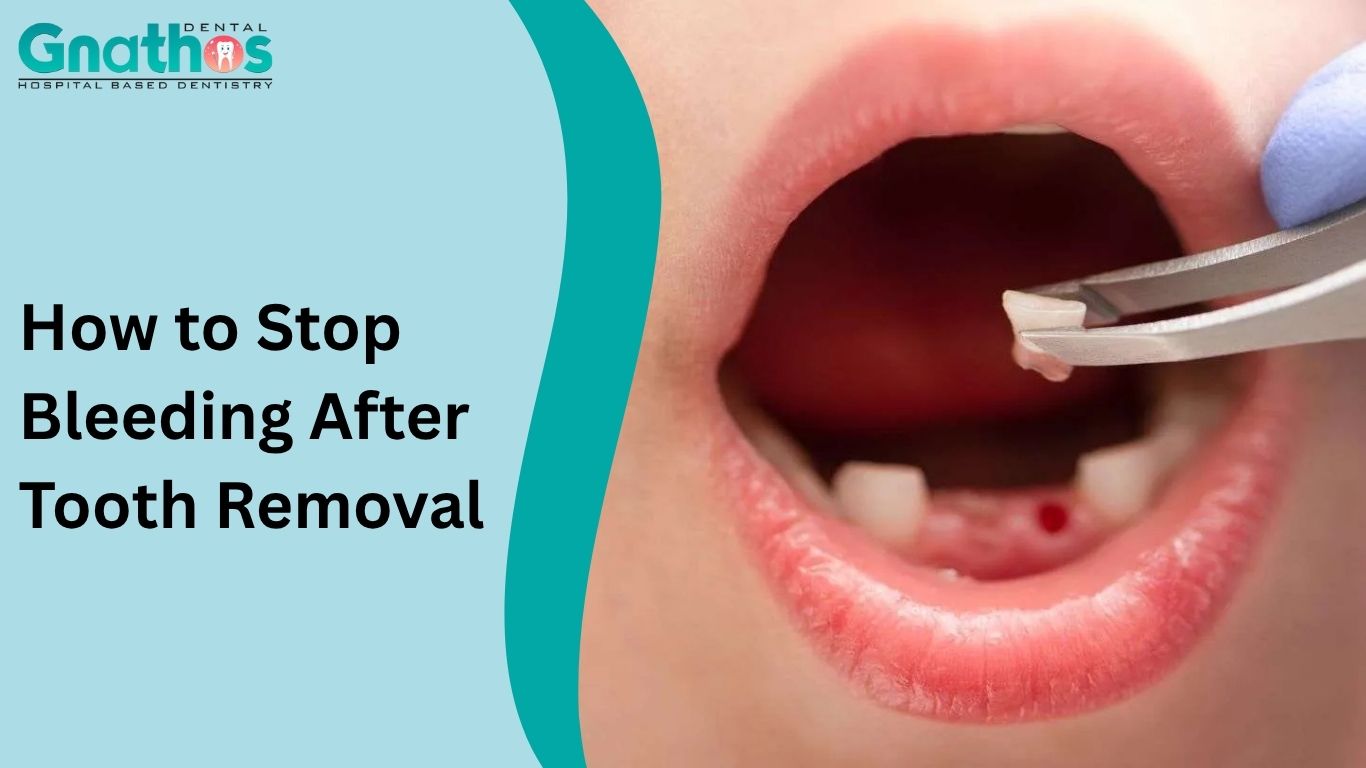
So, you’ve just had a tooth removed, and now you’re at home, maybe a little sore, and you’re noticing some bleeding. It’s a completely normal part of the process, but it can also be a bit unsettling. The big question on your mind is probably, “How to Stop Bleeding After Tooth Removal?” and you’re looking for clear, practical advice. You’ve come to the right place. Let’s walk through this together and take the mystery out of the recovery process.
First, take a deep breath. A little bleeding, or more accurately, a little “oozing” of blood mixed with saliva, is to be expected for the first 24 hours. Your body is doing something amazing—it’s creating a blood clot, which is the crucial first step to healing the socket where your tooth used to be. Understanding this is the key to knowing How to Stop Bleeding After Tooth Removal effectively.
The Foundation of Healing: The Blood Clot
To truly understand How to Stop Bleeding After Tooth Removal, you need to respect the blood clot. This isn’t just a random bit of blood; it’s a living, breathing part of your body’s repair system. Within minutes of the tooth being extracted, your body sends out platelets and clotting factors to the area. They work together to form a jelly-like plug that serves several vital functions:
- It stops the bleeding: This is its most immediate job.
- It protects the exposed bone: The clot acts as a shield, preventing food particles and bacteria from getting into the socket.
- It creates a scaffold for new tissue: The clot is the foundation upon which your body will build new gum tissue and bone.
Your primary goal in the hours and days following the extraction is to protect this clot at all costs. Anything that dislodges it will not only restart the bleeding but can also lead to a painful condition called “dry socket” (more on that later).
The “How”: A Step-by-Step Guide to Stopping the Bleeding
Your dentist or oral surgeon will likely have given you gauze pads to bite on. This is the single most important step in knowing How to Stop Bleeding After Tooth Removal.
- Apply Firm, Consistent Pressure: Immediately after the extraction, a dental professional will place a folded gauze pad directly over the extraction site. You need to bite down on this with firm, steady pressure for at least 30 to 45 minutes. The pressure is what encourages the formation of a strong, stable blood clot. Avoid the temptation to check on it every five minutes. The more you disturb it, the longer the bleeding will last.
- Change the Gauze When Necessary: If the gauze becomes saturated with blood before the 30-45 minute mark, you can change it. Make sure you use a new, clean piece of gauze, fold it, moisten it slightly with water, and place it directly over the socket. Apply the same firm pressure for another 30-45 minutes.
- Use a Tea Bag as an Alternative: If you’ve run out of gauze or the bleeding is persistent, a black tea bag can be a fantastic alternative. Black tea contains tannic acid, a natural clotting agent. Simply moisten the tea bag with cool water, squeeze out the excess, wrap it in a piece of gauze, and bite down on it firmly for 30 minutes.
- Keep Your Head Elevated: When you’re resting or sleeping, it’s crucial to keep your head elevated on pillows. Lying flat can increase blood pressure in the head, which may prolong the bleeding.
- Use a Cold Compress: While a cold compress won’t directly stop bleeding from the inside of your mouth, it can help. Apply an ice pack wrapped in a cloth to the outside of your cheek, near the extraction site. The cold helps constrict blood vessels, which can reduce bleeding and also help with swelling. Use it for 15-20 minutes at a time, with breaks in between.
These steps are your best friends in the immediate post-operative period. They are the core of How to Stop Bleeding After Tooth Removal and ensure your body has the best chance to heal.
The “What Not to Do”: Common Mistakes to Avoid
Just as important as knowing what to do is knowing what to avoid. These actions can easily dislodge the protective blood clot and cause the bleeding to start all over again.
- No Spitting or Rinsing: This is a big one. The sucking motion of spitting or the force of rinsing can pull the blood clot right out of the socket. For the first 24 hours, avoid spitting and rinsing your mouth. Just let any blood and saliva dribble out gently. After 24 hours, you can begin to use a very gentle, warm saltwater rinse.
- No Drinking Through a Straw: Just like spitting, the suction created by a straw is a major culprit for dislodging a blood clot. Avoid straws for at least 48 to 72 hours.
- No Smoking or Vaping: The act of smoking or vaping creates a negative pressure in your mouth that can dislodge the clot. The chemicals in tobacco and e-liquids also interfere with the healing process. It’s best to avoid smoking for at least 72 hours, if not longer.
- No Strenuous Activity: Heavy lifting, intense exercise, and other strenuous activities increase your blood pressure and heart rate, which can cause bleeding to resume. Take it easy for the first 24 to 48 hours.
- Avoid Hot Foods and Beverages: Heat can increase blood flow to the area. Stick to cool, soft foods for the first day or two. Think yogurt, mashed potatoes, and soups (let them cool down first!).
By avoiding these actions, you are giving your body the space and time it needs to form a stable clot and begin the true healing process.
When to Seek Professional Help from a Dental Clinic in Hyderabad
While some bleeding is normal, knowing when to be concerned is vital. Your body is good at healing, but sometimes it needs a helping hand. You should contact your dentist or visit a Dental Clinic in Hyderabad if you experience any of the following:
- Heavy, Persistent Bleeding: If you are still changing gauze every 30 minutes, and the bleeding isn’t slowing down after a few hours, it’s time to call. Bleeding that is profuse and fills your mouth with blood is a sign that the clot is not forming correctly.
- Severe Pain: While some pain is expected, intense, throbbing pain that is not controlled by prescribed pain medication, especially if it starts a few days after the extraction, could be a sign of a dry socket or infection.
- Signs of Infection: These include a fever, foul-smelling discharge from the socket, increased swelling, or a bitter taste in your mouth.
- Numbness: If the numbness from the local anesthetic doesn’t wear off, it could indicate nerve involvement that needs to be checked by a professional.
If you’re in the Hyderabad area and have concerns, don’t hesitate to reach out to a trusted professional. A reputable Dental Clinic in Hyderabad, like the one led by Dr. Suresh PL, is equipped to handle these situations with care and expertise.
Conclusion
The process of healing after a tooth extraction is a natural one that your body is well-equipped to handle. The answer to “How to Stop Bleeding After Tooth Removal” boils down to one simple principle: creating and protecting a stable blood clot. By applying pressure with gauze, avoiding actions that can dislodge the clot (like spitting, smoking, or using straws), and being mindful of your diet and activity, you give yourself the best possible chance for a smooth and comfortable recovery.If you have any doubts or concerns, remember that your dental team is there to help. For reliable and expert dental care in Hyderabad, a consultation with a professional like Dr. Suresh PL is always a good idea. He and his team at Gnathos Dental are dedicated to ensuring your recovery is as seamless as possible.
Frequently Asked Questions (FAQs):
Q1: What stops bleeding fast after tooth extraction?
Bite firmly on a clean gauze pad for 30–45 minutes to stop bleeding fast after tooth extraction. If bleeding continues, use a damp black tea bag — its tannic acid helps blood clot quickly. Keep your head elevated and avoid spitting, smoking, or using a straw.
Q2: How long does bleeding stop after tooth removal?
Bleeding after tooth removal usually slows within 1–2 hours and stops completely in about 4–6 hours. Slight oozing or pink saliva may last up to 24 hours. If heavy bleeding continues beyond a day, contact your dentist for evaluation and care.
Q3: Does salt water help stop bleeding after tooth extraction?
Salt water helps healing but doesn’t stop bleeding immediately after tooth extraction. Avoid rinsing for the first 24 hours. After that, gently rinse with warm salt water to clean the area, reduce bacteria, and promote faster recovery without disturbing the blood clot.
Q4: What do dentists use to stop bleeding?
Dentists use sterile gauze, pressure, and special hemostatic agents like Gelfoam or Surgicel to stop bleeding after tooth extraction. They may also use sutures or apply a topical clotting solution to help form a stable blood clot and promote faster healing.
Q5: What happens if bleeding doesn’t stop after tooth extraction?
If bleeding doesn’t stop after a tooth extraction, it may indicate the blood clot hasn’t formed properly or has been dislodged. Persistent bleeding can lead to complications like dry socket or infection. Contact your dentist immediately for evaluation and possible treatment.