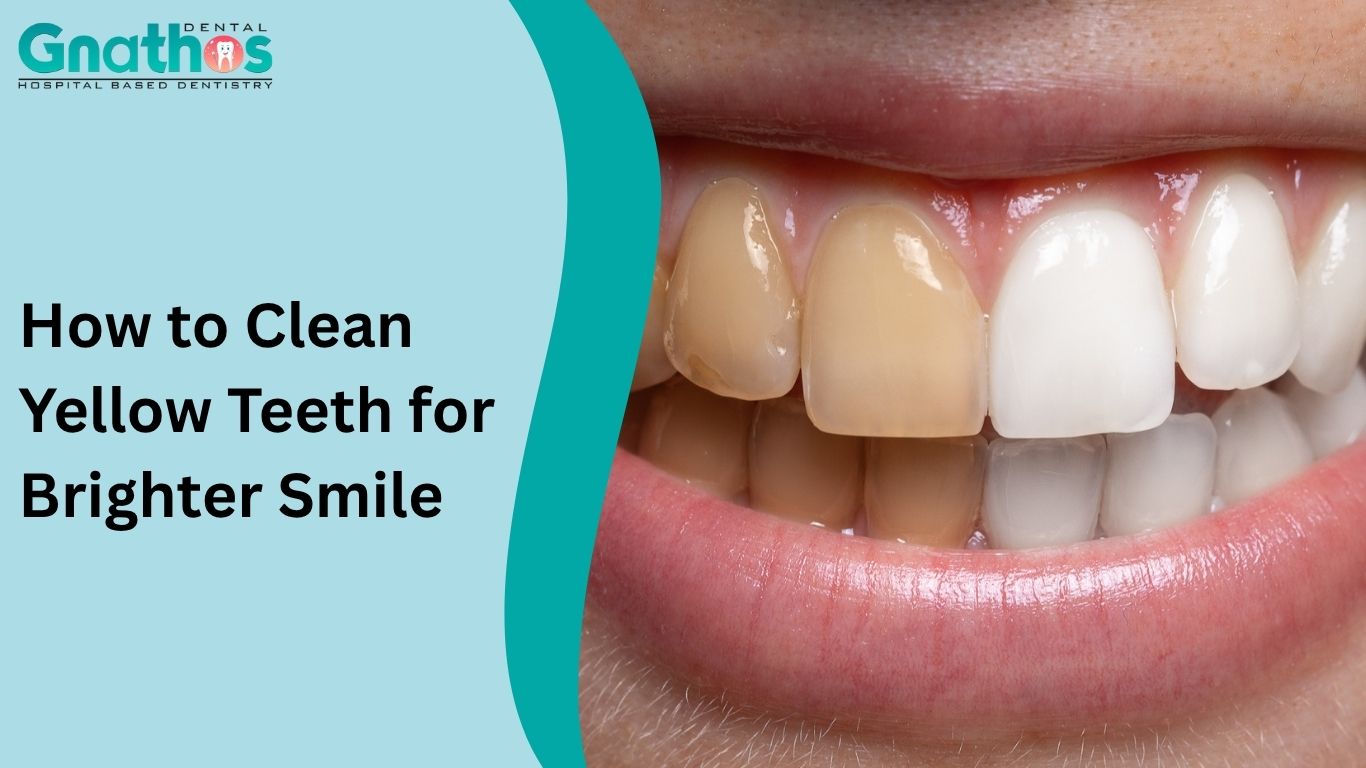
Have you ever looked in the mirror and wished your smile were a little brighter? You’re not alone. Yellowing teeth are a common concern for many people. It can be a little discouraging, especially when you feel like you’re doing everything right. But what if I told you there are some powerful and effective ways to tackle this issue? Let’s dive into How to Clean Yellow Teeth and unlock that brighter smile you’ve been dreaming of. This isn’t just about surface-level solutions; we’ll explore the causes, the best at-home methods, and when it’s time to seek professional help.
Understanding Why Teeth Turn Yellow
Before we get to the “how,” let’s understand the “why.” Knowing the root cause is the first step in knowing How to Clean Yellow Teeth effectively. The discoloration can be due to a number of factors, and it’s important to differentiate between them.
- Extrinsic Stains: These are the most common type of stains and are on the outer surface of your tooth enamel. They are typically caused by what you eat and drink. Think coffee, tea, red wine, dark sodas, and certain fruits like berries. Tobacco use is also a major culprit for these surface stains. Over time, these pigments get absorbed into the microscopic pores of your enamel.
- Intrinsic Stains: These stains are located within the inner structure of the tooth, called the dentin. The dentin is naturally yellow, and as we age, the outer layer of enamel thins, revealing more of the underlying dentin. This is why our teeth naturally yellow as we get older. Other causes of intrinsic stains include certain medications (like tetracycline), excessive fluoride during tooth development, trauma to the tooth, and genetics.
- Lifestyle and Habits: Poor oral hygiene is a major contributor. If you don’t brush and floss correctly, plaque and tartar build up, which can attract and hold onto stains. Your habits, like smoking or chewing tobacco, also play a huge role.
Understanding these different types of stains is key because it influences which cleaning or whitening methods will be most effective. Surface stains are often easier to tackle with at-home remedies, while intrinsic stains usually require professional intervention.
At-Home Methods: How to Clean Yellow Teeth on Your Own
For many people, the journey to a brighter smile starts in their own bathroom. There are several popular and effective methods for How to Clean Yellow Teeth using products you can find at a local pharmacy or supermarket.
- Whitening Toothpastes: These toothpastes are a step up from your regular toothpaste. They often contain mild abrasives or chemical agents (like peroxide) that help to gently scrub away surface stains. They are effective for maintenance and for removing new stains, but they won’t change the intrinsic color of your teeth.
- Over-the-Counter Whitening Strips: These are thin strips coated with a peroxide-based whitening gel. They are placed directly on the teeth and worn for a specified period each day. They are more effective than toothpaste because the whitening agent has more contact time with your enamel. The peroxide in the strips can penetrate the enamel to bleach some of the intrinsic stains, offering a more noticeable result.
- Whitening Rinses: Similar to whitening toothpaste, these rinses contain ingredients like hydrogen peroxide to help remove surface stains. They are less effective than strips or trays because the contact time is very short, but they are a good supplementary option for maintaining a brighter smile.
- DIY Remedies (with caution!): There are many home-based “remedies” you’ll find online, like using baking soda, activated charcoal, or even apple cider vinegar. While some of these may have mild abrasive properties, it’s crucial to be very careful. Aggressive scrubbing with baking soda or charcoal can be too abrasive and can actually damage your enamel over time, making your teeth more susceptible to yellowing. It’s always best to stick to products that are approved by a dental association or recommended by a professional.
The Advantages and Disadvantages of At-Home Cleaning
Using at-home methods to figure out How to Clean Yellow Teeth comes with its own set of pros and cons.
Advantages:
- Convenience: You can do it in the comfort of your own home, on your own schedule.
- Cost-Effective: Over-the-counter products are generally much cheaper than professional dental treatments.
- Accessibility: You can find these products at almost any pharmacy or grocery store.
Disadvantages:
- Limited Effectiveness: At-home methods are best for mild, surface stains. They often won’t deliver the dramatic results that professional treatments can.
- Potential for Sensitivity: The peroxide in whitening strips and gels can cause temporary tooth sensitivity or gum irritation for some people.
- Inconsistent Results: The results can vary widely from person to person.
- Risk of Enamel Damage: As mentioned, if you use unapproved or overly abrasive methods, you risk damaging your enamel.
Professional Intervention: The Ultimate Solution
When at-home methods aren’t enough, or if your stains are intrinsic, the most effective and safest way to figure out How to Clean Yellow Teeth is to visit a professional. A Dental Hospital in Hyderabad or a trusted dental clinic offers treatments that are far more powerful and reliable.
- In-Office Professional Whitening: This is the quickest and most effective way to whiten your teeth. Your dentist applies a high-concentration whitening gel to your teeth and often uses a special light or laser to accelerate the whitening process. This can lighten your teeth by several shades in just one visit. The primary advantage is that a professional can use stronger agents safely and can protect your gums and soft tissues from irritation.
- Custom-Made Whitening Trays: Your dentist can create custom-fitted trays that are designed to fit your teeth perfectly. You fill these trays with a professional-grade whitening gel and wear them at home. The custom fit ensures the gel has full contact with your teeth and doesn’t leak onto your gums, reducing the risk of sensitivity.
- Veneers or Bonding: For severe intrinsic stains that don’t respond to whitening treatments, your dentist may recommend cosmetic solutions. Veneers are thin, custom-made shells that are bonded to the front of your teeth to change their color, shape, or size. Dental bonding is a similar process where a tooth-colored resin is applied to the tooth and hardened with a special light. Both are excellent options for a permanent, bright smile.
The Role of Daily Oral Hygiene
No matter which path you choose for How to Clean Yellow Teeth, the most important and foundational step is excellent daily oral hygiene. Without a good daily routine, any whitening you do, whether at home or in a clinic, will not last.
- Brush Twice a Day: Use a soft-bristled toothbrush and a pea-sized amount of fluoride toothpaste. Make sure you brush for at least two minutes, getting all surfaces of your teeth.
- Floss Daily: Flossing removes plaque and food particles from between your teeth, which can prevent the buildup of stains in these hard-to-reach areas.
- Rinse After Meals: If you can’t brush after a meal, a quick swish of water can help wash away food particles and acid.
- Limit Stain-Causing Foods and Drinks: While it’s unrealistic to cut out coffee and red wine completely, you can reduce their impact. Consider drinking them through a straw to minimize contact with your front teeth, and rinse your mouth with water afterward.
When to Consult a Professional
If you’ve tried at-home methods and are not seeing the results you want, or if you’re not sure about the cause of your teeth’s yellowing, it’s time to book an appointment with a professional. A visit to a Dental Hospital in Hyderabad can provide you with a comprehensive diagnosis and a personalized treatment plan. A skilled professional like Dr. Suresh PL can assess the specific type of staining on your teeth, determine if there are any underlying dental issues, and recommend the safest and most effective course of action. They can also address any concerns you have about sensitivity or the treatment process.
Conclusion
In your quest for How to Clean Yellow Teeth, remember that it’s a journey with multiple paths. For mild surface stains, consistent daily hygiene and over-the-counter products can be very effective. However, for deeper, more intrinsic stains, or if you want the most dramatic and lasting results, professional dental care is the way to go. No matter which option you choose, the cornerstone of a bright smile is a disciplined oral hygiene routine. A visit to a trusted Dental Hospital in Hyderabad, like the one associated with Dr. Suresh PL, can provide you with the professional guidance and treatment you need to achieve your goals safely and effectively.
Frequently Asked Questions:
Q1: Can yellow teeth turn white again?
Yes, yellow teeth can turn white again with proper care. Regular brushing, whitening toothpaste, professional cleanings, and dental whitening treatments can remove stains and restore brightness for a whiter, healthier smile.
Q2: How do dentists clean yellow teeth?
Dentists clean yellow teeth using professional scaling and polishing to remove plaque and stains. They may also use whitening gels, lasers, or bleaching treatments to lighten tooth color safely and effectively, restoring a bright, natural-looking smile.
Q3: Can toothpaste fix severely yellow teeth?
Toothpaste can help remove surface stains but cannot fix severely yellow teeth caused by deep or intrinsic discoloration. For such cases, professional whitening treatments or veneers offered by dentists are more effective for restoring a bright, white smile.
Q4: Is baking soda good for teeth?
Baking soda can help remove surface stains and whiten teeth mildly, but excessive use may erode enamel and cause sensitivity. It’s best used occasionally or in dentist-approved toothpaste for safe and effective cleaning without damaging your teeth.
Q5: Is it safe to brush your teeth with hydrogen peroxide?
Brushing with hydrogen peroxide can whiten teeth, but using it too often or in high concentration may irritate gums and damage enamel. It’s safest to use dentist-approved whitening products that contain controlled amounts of hydrogen peroxide for safe and effective results.